


 Germany - Deutsch
 France - Français
 Italy - Italiano
 Spain - Español
 Turkey - Türkçe
 India - English
 South Korea - 한국인
 China - 中文
 Vietnam - Tiếng Việt
This article was first published in the May 2026 edition of Thermal Control Magazine
The HVAC industry is rapidly evolving with the adoption of automation, Industrial IoT (IIoT), and intelligent motor control technologies. Today, HVAC systems are no longer viewed as standalone mechanical installations; they are becoming connected, data-driven ecosystems designed to improve energy efficiency, operational reliability, and sustainability.
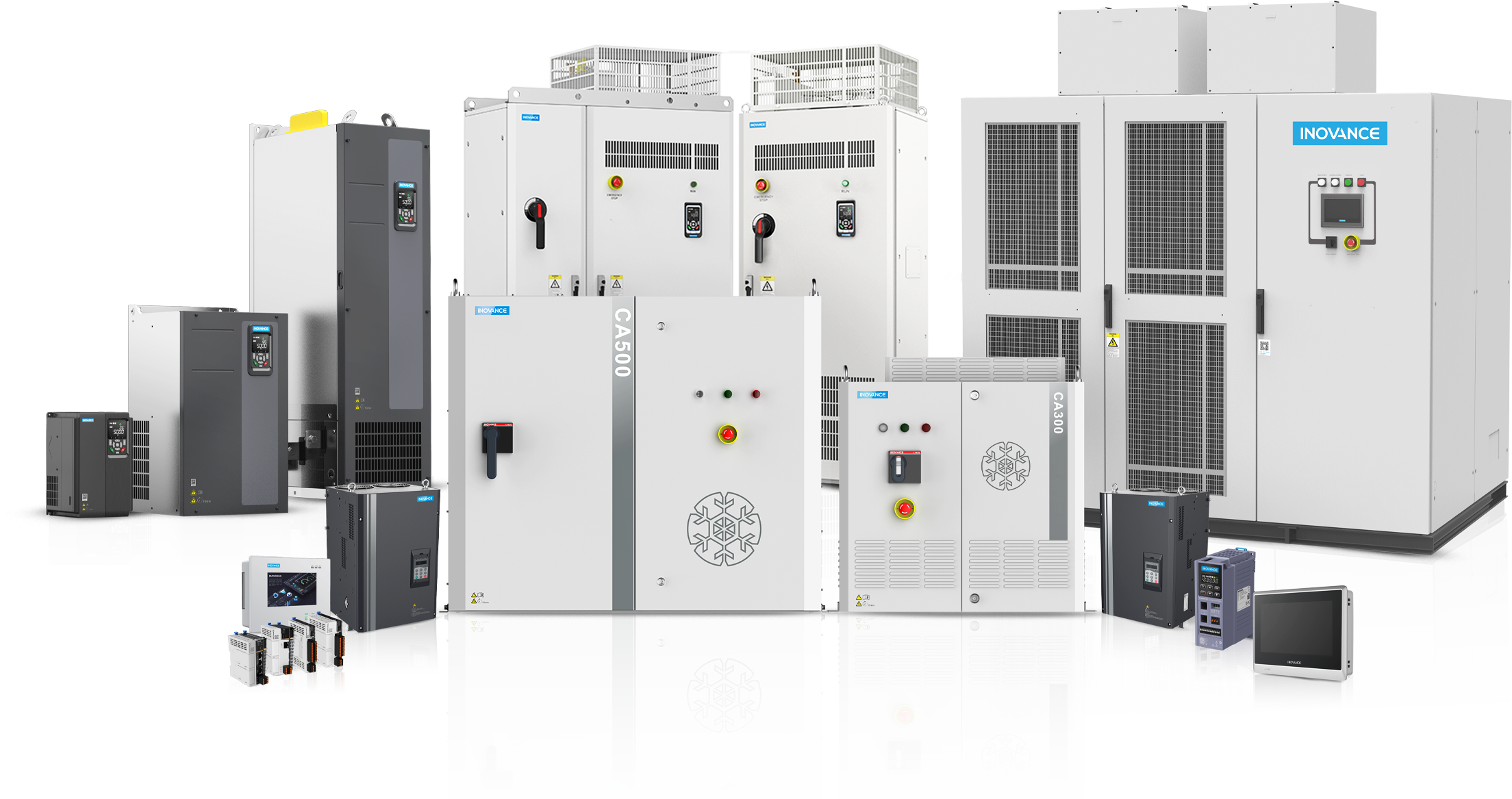
As industries focus on reducing energy consumption and achieving sustainability goals, intelligent HVAC automation is becoming essential across commercial buildings, manufacturing facilities, data centres, and industrial plants. At Inovance Technology, we believe the future of HVAC lies in combining smart automation with advanced drive technologies. Our HVAC portfolio, including the CA300 Series & CA500 Series Compact Inverter with control cabinet solutions, CP700 Air Compressor Drive, and HD9XS Medium-Voltage AC Drive, is designed to help industries achieve smarter control, enhanced efficiency, and reliable operation, along with VFDs, PLCs, and HMIs.

Mr Anil Kumar, Managing Director, Inovance Technology India
IoT Connectivity in HVAC Automation
One of the biggest transformations in HVAC systems is the integration of IoT connectivity. Modern HVAC systems can now collect and analyse real-time operational data such as airflow, temperature, pressure, motor load, and energy consumption. Through integration with Building Management Systems (BMS), SCADA platforms, and cloud-based monitoring systems, facility operators gain complete visibility and control over HVAC operations. IoT-enabled systems allow remote monitoring, predictive diagnostics, and faster decision-making, helping industries optimise overall performance.
CA300 and CA500 compact inverter series from Inovance are specifically designed for HVAC applications such as pumps, cooling towers, ventilation systems, and air handling units. These intelligent drives provide precise motor speed control while supporting seamless industrial communication and monitoring capabilities. In high-power industrial applications, solutions such as the CP700 air compressor drive and HD9XS medium-voltage AC drive provide reliable performance, efficient motor control, and operational stability.
Intelligent AC Drive Technology
Inovance’s AC drives and Variable Frequency Drives (VFDs) have become an essential part of modern HVAC systems due to their ability to optimise motor performance based on actual operational demand. Unlike traditional fixed-speed motors that continuously operate at full speed and consume excessive energy even during low-load conditions, AC drives dynamically regulate motor speed according to system requirements. This intelligent speed control significantly improves energy efficiency while ensuring smoother and more stable operations. In HVAC applications such as pumps, cooling towers, ventilation systems, and air handling units, AC drives help reduce power consumption, minimise mechanical stress on motors and connected equipment, and improve overall process stability. Additionally, features such as soft starting and controlled acceleration extend equipment lifespan and reduce maintenance costs by minimising wear and tear.
The Role of Edge Computing and Real-Time Analytics
Another important trend shaping HVAC automation is edge computing and real-time analytics. Traditionally, operational data was transmitted to centralised servers or cloud platforms for analysis, often causing delays. Edge computing enables intelligent devices such as AC drives and controllers to process data locally and respond instantly. This allows HVAC systems to detect abnormalities, generate predictive maintenance alerts, and initiate corrective actions in real time. For example, if a motor shows abnormal vibration or overheating, the system can immediately trigger alerts or optimise operating parameters before a breakdown occurs. This predictive approach improves equipment reliability, minimises downtime, and enhances operational efficiency.
Addressing Cybersecurity Challenges
As HVAC systems become increasingly connected through Industrial IoT and automation platforms, cybersecurity has emerged as a critical priority for industries. Connected HVAC infrastructure is vulnerable to risks such as unauthorised access, data breaches, malware attacks, and operational disruptions if proper security measures are not implemented. To ensure safe and reliable operations, organisations must adopt a comprehensive cybersecurity strategy that includes secure communication protocols, network segmentation between IT and operational technology (OT) systems, controlled user access, and regular firmware and software updates. Continuous network monitoring also plays an important role in identifying abnormal activities and potential threats before they impact operations. A strong cybersecurity framework not only safeguards critical industrial infrastructure but also ensures uninterrupted HVAC performance, operational reliability, and long-term system integrity in increasingly digitalised environments.
Integrating IoT with Legacy Systems
Many industries still operate legacy HVAC infrastructure that was not originally designed for digital connectivity. Replacing complete systems can be costly and operationally challenging. A phased modernisation strategy offers a practical solution. By integrating retrofit-compatible AC drives, smart sensors, and communication gateways, industries can gradually upgrade their systems without major disruptions. Modern drive technologies with flexible communication capabilities make it easier to connect legacy equipment with centralised automation and monitoring platforms.
Conclusion
The future of HVAC is being shaped by intelligent automation, IoT connectivity, edge computing, and advanced AC drive technologies. Industries are increasingly adopting smart HVAC solutions to improve energy efficiency, operational reliability, and sustainability. At Inovance Technology, we remain committed to driving this transformation through innovative dedicated solutions such as the CA300, CA500, CP700, and HD9XS series and VFDs integrated with PLC and HMI. By combining intelligent motor control with connected automation, industries can build smarter, more efficient, and future-ready HVAC systems.